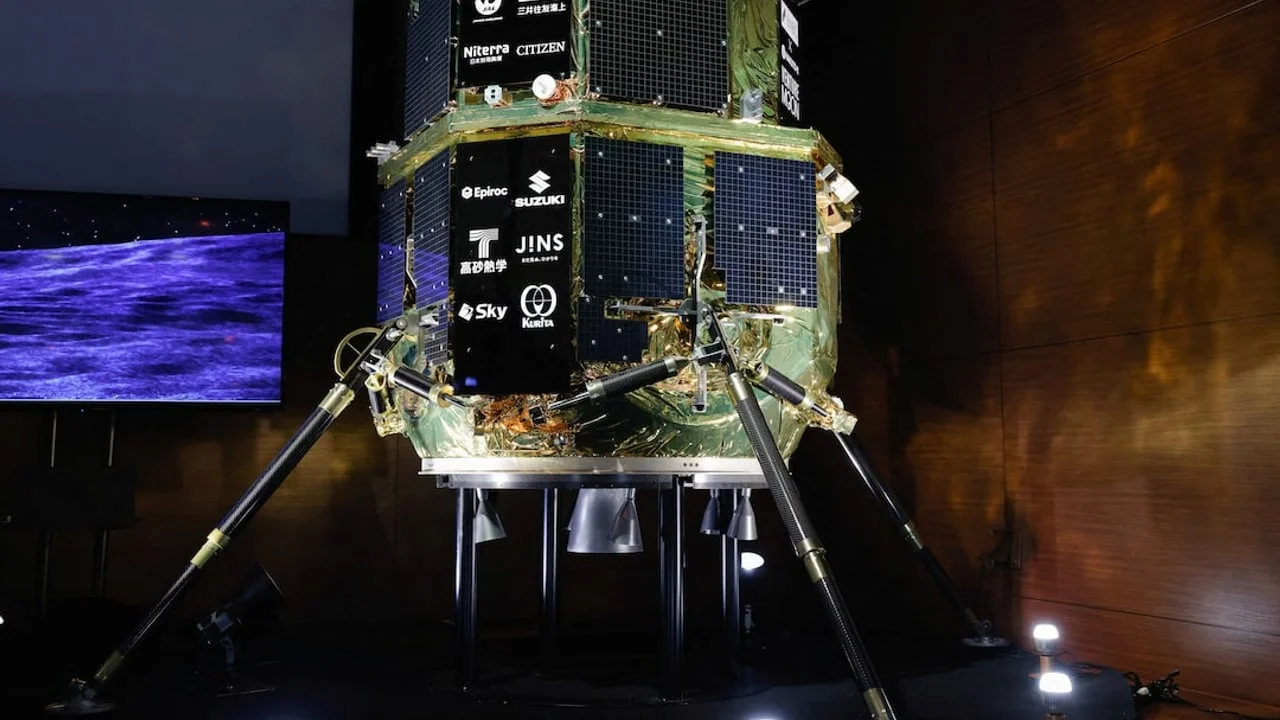
SpaceX adds ispace as a Starship lunar customer
ispace secured 500 kg of payload capacity on SpaceX's Starship for a lunar mission as early as 2030, creating a commercial moon-cargo rideshare signal for Starship beyond NASA's Artemis program.

ispace has secured 500 kg of payload capacity on SpaceX's Starship for a lunar mission scheduled as early as 2030, turning Starship into the launch platform for a new shared moon-cargo service. 1 Reuters reported the capacity purchase at $50 million, a useful price signal for smaller payload customers that cannot justify a dedicated lunar lander. 2
Alert read
This is a major customer announcement, not a routine launch update. ispace is packaging Starship capacity into a "Lunar Access Integrator" service: it will integrate multiple customer payloads, transport them on Starship, and support operations through a Mobile Cargo System after landing. 1
For SpaceX, the signal is that Starship's lunar business is moving beyond NASA's Artemis use case and into commercial payload aggregation. SpaceX Vice President of Commercial Sales Stephanie Bednarek said ispace's integration services give smaller payloads a path to secure moon access, and that SpaceX will support ispace and its customers as they expand lunar surface access. 1
Disclosed terms
| Item | Detail |
|---|---|
| Customer | ispace, a Tokyo-based lunar transport company. 2 |
| SpaceX vehicle | Starship, used for a lunar transportation service in addition to ispace's ULTRA lunar landers. 1 |
| Capacity | 500 kg of Starship payload capacity. 1 |
| Reported price | $50 million, according to Reuters. 2 |
| Earliest schedule | Launch as early as 2030. 1 |
Why it matters
The deal gives SpaceX a commercial lunar rideshare customer for Starship before the vehicle is flying regular moon missions. That matters because many lunar payload owners are too small for a dedicated lander purchase; ispace is trying to sell them a bundled path that covers integration, transport, and post-landing operations. 1
It also extends an existing customer relationship. ispace signed its first Falcon 9 launch contract in 2018, and its HAKUTO-R Mission 1 and Mission 2 flew on Falcon 9 in 2022 and 2025. 1 Moving that customer from Falcon 9 lunar transfer attempts to Starship lunar surface capacity is the part SpaceX investors and commercial-space operators should track.
Watch next
The open question is schedule proof. Reuters notes NASA plans to use Starship's first lunar landing in 2028 for Artemis, while Astrolab has also booked space on a future Starship flight. 2 The next material signals are Starship lunar landing milestones, ispace customer commitments for the 500 kg capacity block, and any change to the 2030 target.
Related content
- Sign in to comment.